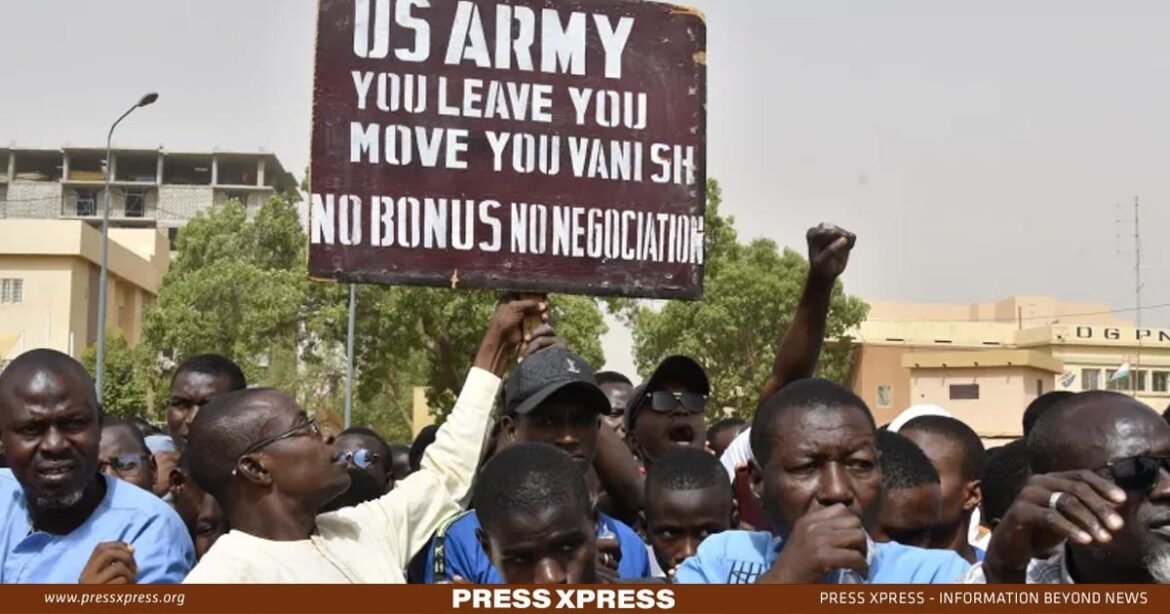
In a noteworthy shift in power, Russian troops have established a presence at a military base in Niger, previously utilized by the United States forces. This development follows the Nigerien military junta’s decision to terminate its military cooperation with the United States. Consequently, the U.S. is preparing to withdraw its personnel, who have been operating a considerable number of drone operations from the facility.
You Can Also Read: Netanyahu’s Deadly Dogma vs Mounting Peace Pressure!
The presence of Russian troops at a base that was once integral to U.S. operations in Africa highlights the increasing complexities and challenges of maintaining influence in the region. It is also highly symbolic as a former US base is taken over by Russia. As the geopolitical canvas continues to change colors, navigating these intricate dynamics will require strategic maneuvering and a nuanced understanding of the region’s complex web of alliances and interests.
Background
The U.S. military’s substantial presence in Niger began in 2013 with a status of forces agreement that aimed to support French counterterrorism efforts. This agreement enabled U.S. troops and aircraft to operate in non-combat roles within Niger, providing intelligence and surveillance support, particularly over Mali and Niger, through the use of drones. This move was part of a broader U.S. strategy to enhance counterterrorism capabilities in West Africa.

Shifting Priorities and Adjustments
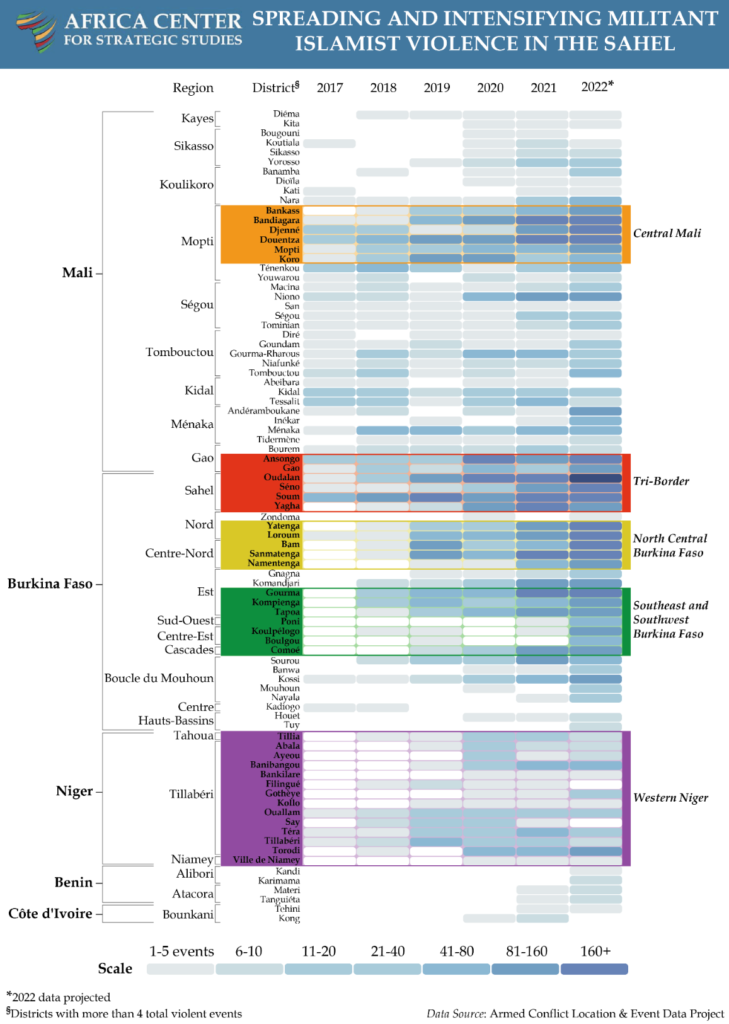
By 2018, changes in the U.S. defense strategy under the Trump administration led to a shift in focus toward threats from major powers like Russia and China, resulting in a reduction of some U.S. military commitments in Africa, including West Africa. However, critical bases like Airbase 101 in Niamey and Airbase 201 near Agadez remained operational to support surveillance and intelligence missions. Airbase 201, in particular, became a significant U.S. asset for drone operations targeting ISIL and al-Qaeda-linked militants across the Sahel region.
Regional Security Challenges
The region’s importance was further highlighted in 2017 during the ambush of U.S. forces in Tongo, Niger, which resulted in the deaths of four American soldiers. This incident underlined the ongoing security challenges in the region and the necessity of military support in counterterrorism efforts.
Strategic Significance
Niger’s strategic importance has been recognized by multiple U.S. administrations. The country’s role in U.S. counterterrorism strategies became even more pronounced following the withdrawal of French troops and the shifting dynamics with rising Russian and Chinese influence in the region. As the geopolitical landscape continues to change, the U.S. presence in Niger will likely adapt to address these changing aspects and regional priorities.

Russia’s Inroads in Niger and Diplomatic Implications
The arrival of Russian troops in Niger marks a substantial shift in the region’s geopolitical powerplay. This development follows Niger’s cancellation of its military pact with the United States, which had previously allowed American forces to operate from key bases within the country. The breakdown in relations between Niger and the U.S. is largely attributed to Niger’s growing ties with Russia and dissatisfaction with American diplomatic approaches, perceived by some as condescending.
Russia’s Expanding Footprint in Africa
Russia’s increasing influence in Niger is part of a broader strategy to enhance its presence across Africa. Russian military cooperation with Niger includes the deployment of military trainers and the provision of an air defense system, signaling a deeper engagement in the region. This move aligns with similar patterns in neighboring countries like Mali and Burkina Faso, where Russia has also strengthened military ties following local coups.
Shifting Regional Alliances
The shift towards Russia by several Sahel countries, formerly aligned with Western powers, reflects broader regional dynamics. These countries are increasingly seeking partners that offer immediate security assistance without the political preconditions often associated with Western aid. This transition has critical implications for U.S. strategic interests in the region, especially concerning counterterrorism efforts and access to critical military bases used for drone operations.
Strategic Repercussions and Shifting Alliances
The U.S. withdrawal from Niger, spurred by increasing Russian influence, has significant strategic repercussions. The departure of American troops means losing a critical base for drone operations and intelligence gathering. This base was essential for countering terrorist activities across the Sahel region. The reduction in U.S. military presence diminishes Washington’s ability to directly influence regional security and combat jihadist groups like ISIS.
Waning Western Influence
This pullback is part of a broader trend where traditional Western influence in Africa is waning. Countries like Niger are turning to Russia, which offers rapid security assistance without the political conditions typically imposed by Western aid. This shift could lead to a realignment of military and strategic alliances across Africa, with more nations potentially following Niger’s lead.
Adapting to Changing Dynamics
Overall, the U.S. faces challenges in maintaining its influence in Africa. As local governments increasingly reject Western models of democracy and governance, they seek partnerships that respect their sovereignty. The U.S. may need to rethink its approach to engagement on the continent to adapt to these changing dynamics and preserve its interests.
U.S. Retreat and Russia’s Expanding Footprint
The United States’ retreat from Niger signifies a fundamental shift in geopolitical dynamics within the Sahel region. This withdrawal is a response to the increasing influence of Russia in the area, which has established a robust military presence in several Sahel countries. As the U.S. sees a decline in its footprint, it faces the challenge of maintaining influence in a region where it once played a central role in counterterrorism efforts.
Russia’s Strategic Ambitions in Africa
Russia’s expanding military ties in Niger, coupled with the deployment of advanced military equipment and trainers, underline its strategic ambitions in Africa. These developments mark a significant realignment, with Sahel nations pivoting towards partners that offer assistance without stringent political conditions.
Recalibrating U.S. Strategy
As geopolitical interests evolve, the U.S. may need to recalibrate its strategy in Africa, focusing on diplomatic engagement and addressing the root causes of instability to retain influence.
In summary, the growing Russian presence in Niger and the Sahel could potentially alter the balance of power, challenging Western influence and complicating Western ambitions in the region amidst ongoing security challenges.